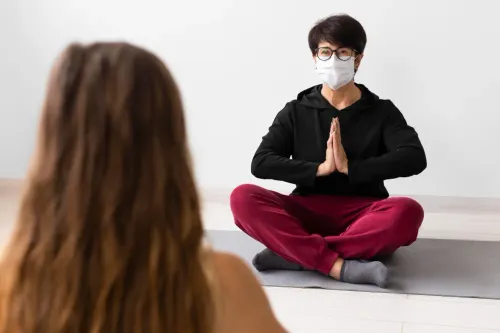
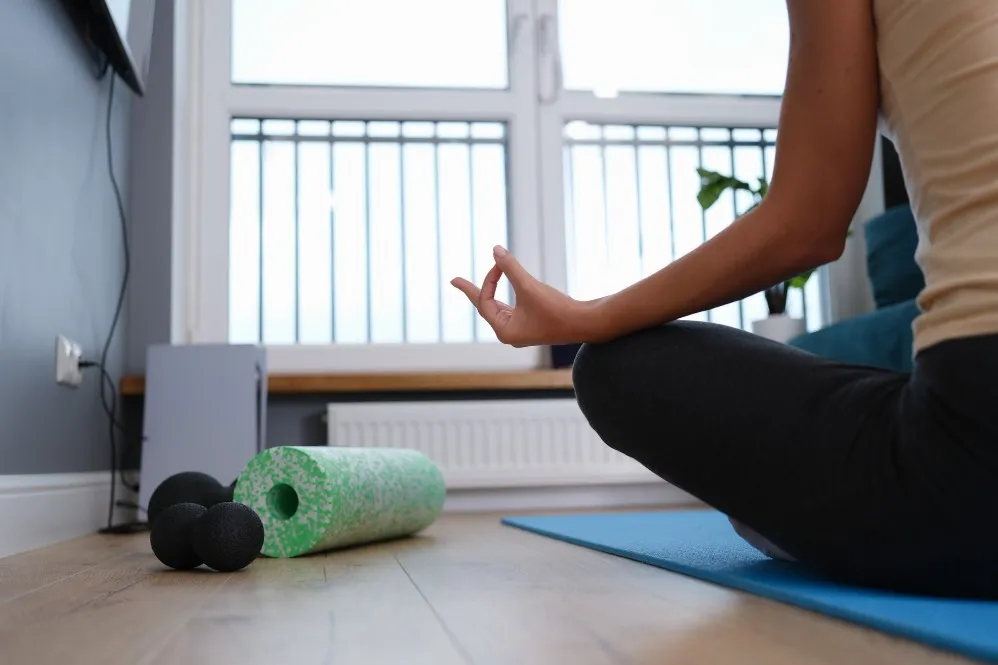
Recovering from addiction involves much more than overcoming physical dependence. It also requires emotional healing, stress management, and the development of healthier daily habits. While counselling and medical treatment remain essential parts of rehabilitation, complementary wellness practices can strengthen the recovery journey. Yoga & Meditation for Recovery have become valuable components of many modern rehabilitation programs because they support both physical and emotional well-being.
At Crossroad Wellness Rehab, yoga and meditation are incorporated into individualized rehabilitation plans to help individuals develop healthier routines, improve emotional balance, and build resilience throughout recovery. For many people seeking addiction treatment in Pune and Maharashtra, these practices become lifelong tools that continue to benefit them long after rehabilitation has ended.
Why Yoga & Meditation for Recovery in Pune Are Included in Modern Rehabilitation Programs
Stress, anxiety, emotional triggers, and unhealthy coping mechanisms often contribute to substance dependence. Recovery requires replacing these patterns with healthier alternatives that promote long-term stability.
Yoga combines controlled movement, breathing techniques, and physical awareness, while meditation focuses on calming the mind and improving emotional control. Together, these practices encourage greater self-awareness and help individuals respond more positively to difficult situations.
Rather than replacing clinical treatment, yoga and meditation work alongside professional counselling and medical care to support overall recovery.
Physical Benefits During Addiction Recovery
Substance dependence can affect nearly every part of the body. During rehabilitation, individuals often experience fatigue, muscle weakness, poor sleep, and reduced energy levels.
Regular yoga practice may help improve:
- Flexibility and mobility
- Muscle strength
- Blood circulation
- Posture and balance
- Breathing efficiency
- Sleep quality
- Energy levels
- Overall physical wellness
These gradual improvements contribute to greater comfort throughout the rehabilitation process.
Emotional Benefits of Meditation During Recovery
Many people entering rehabilitation struggle with racing thoughts, anxiety, guilt, or emotional instability. Meditation provides practical techniques for calming the mind without relying on unhealthy coping mechanisms.
Some emotional benefits include:
- Reduced stress
- Better emotional regulation
- Improved concentration
- Greater self-awareness
- Increased patience
- Healthier responses to cravings
- Improved confidence during recovery
Developing these skills can help individuals navigate both rehabilitation and life after treatment.
Yoga & Meditation in Pune Support Long-Term Relapse Prevention
One of the greatest challenges after rehabilitation is managing everyday stress without returning to substance use.
Yoga and meditation encourage individuals to pause before reacting, recognize emotional triggers, and make thoughtful decisions instead of impulsive ones.
Over time, these practices help individuals:
- Manage workplace stress
- Improve family relationships
- Reduce emotional overwhelm
- Handle difficult situations calmly
- Maintain healthier daily routines
These positive habits strengthen long-term recovery and reduce the likelihood of relapse.
Are Yoga and Meditation Suitable for Everyone?
A common concern is whether individuals need prior experience before participating.
The answer is no.
Rehabilitation programs introduce yoga and meditation gradually under professional guidance. Sessions are adapted according to each person's age, fitness level, health condition, and stage of recovery.
The objective is not physical perfection but steady improvement in overall wellness.
How These Practices Complement Professional Treatment
Successful addiction recovery requires multiple forms of support working together.
Yoga and meditation are most effective when combined with:
- Medical assessment
- Individual counselling
- Group therapy
- Family counselling
- Behavioral therapy
- Wellness education
- Relapse prevention planning
- Aftercare support
This integrated approach allows individuals to recover physically, emotionally, and psychologically rather than focusing on only one aspect of addiction.
Building Healthy Habits After Rehabilitation
The greatest advantage of yoga and meditation is that they remain accessible after treatment has ended.
Simple practices that individuals can continue include:
- Morning breathing exercises
- Guided meditation sessions
- Gentle stretching routines
- Mindful walking
- Evening relaxation techniques
- Maintaining consistent sleep schedules
- Practicing gratitude and positive reflection
These habits support emotional balance while making it easier to maintain recovery in everyday life.
Recovery Is About Creating a Healthier Lifestyle
Successful rehabilitation is not simply about avoiding alcohol or drugs—it is about building a lifestyle that supports long-term physical and mental well-being. Small, consistent wellness practices often become powerful tools for maintaining emotional stability and confidence.
If you are looking for Yoga & Meditation for Recovery in Pune, Crossroad Wellness Rehab integrates these evidence-informed wellness practices into comprehensive rehabilitation programs that also include counselling, medical support, and individualized recovery planning. Whether you are beginning treatment or supporting a loved one through recovery, choosing a rehabilitation centre that promotes holistic healing can make a meaningful difference. Speak with the experienced team to learn how a balanced recovery program can help you move toward lasting wellness, renewed confidence, and a healthier future.
Keywords