
Addiction can affect sleep, nutrition, physical health, emotional regulation, relationships, confidence, and everyday routines. This is why some families look for a Holistic Recovery Center that considers multiple aspects of wellbeing alongside established addiction treatment.
The word 'holistic,' however, can mean very different things between providers. It should not be interpreted as a substitute for appropriate medical or psychological treatment.
What Holistic Recovery Should Actually Mean
A responsible holistic programme treats the person as more than a substance-use problem.
This can involve attention to:
- Physical wellbeing
- Psychological health
- Sleep quality
- Nutrition
- Stress management
- Emotional regulation
- Relationships
- Daily routines
- Mindfulness
- Social wellbeing
- Relapse prevention
Complementary wellness activities may be useful, but they should exist within a structured treatment plan.
Medical Safety Comes First
Before choosing a Holistic Recovery Center, determine how the facility handles medical concerns.
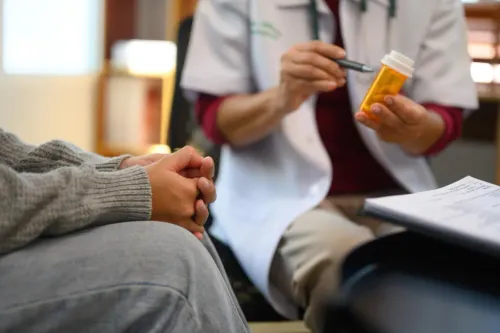
People dependent on certain substances may require medically supervised withdrawal support. Meditation, yoga, nutrition, or relaxation practices should never be presented as replacements for necessary clinical care during potentially risky withdrawal.
Ask who performs the initial assessment and what happens if medical complications occur.
Examine the Therapeutic Programme
A centre can have peaceful surroundings and extensive wellness activities while still lacking sufficient therapeutic depth.
Look beyond the environment.
Ask what types of counselling or behavioural interventions are available, how treatment plans are developed, whether progress is reviewed, and how mental health concerns are addressed.
The purpose of rehabilitation is not merely to keep someone away from substances temporarily. Treatment should help the individual understand and change the patterns associated with substance use.
Consider How Wellness Activities Are Used
Wellness practices are most useful when they support specific recovery goals.
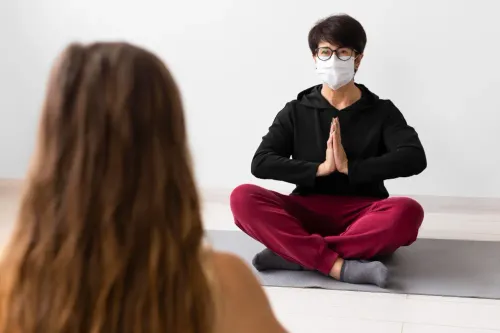
Mindfulness may help a person observe cravings without immediately reacting to them. Physical activity may support routine and general wellbeing where medically appropriate. Relaxation exercises can provide healthier responses to stress.
Nutrition and regular sleeping schedules can also help restore structure after prolonged periods of substance use.
These interventions should complement rather than overshadow core addiction care.
Evaluate the Environment
For families comparing rehabilitation options in Pune, Maharashtra, the physical setting can still matter.
Recovery can be emotionally demanding. A calm, organised, substance-free environment may make it easier for individuals to concentrate on treatment.
Privacy, hygiene, supervision, respectful staff interactions, structured schedules, and appropriate safety procedures deserve consideration alongside amenities.
Crossroad Wellness Rehab can be evaluated on these practical criteria by individuals and families considering a structured recovery programme in Pune.
Ask How Families Are Included
Addiction frequently affects the household, not only the person receiving treatment.
A holistic approach should recognise the role of family communication and boundaries where appropriate. Family education may help relatives understand addiction patterns, avoid enabling behaviour, communicate more effectively, and prepare for the individual's return home.
Recovery Must Extend Beyond the Facility
One of the most important questions to ask any rehabilitation provider is what happens after the structured programme.
A person may feel stable within a controlled environment yet struggle when returning to work pressure, relationship conflict, old friends, or familiar substance-related triggers.
A comprehensive discharge plan should address these realities.
Choosing a Holistic Recovery Center should therefore involve more than looking for a long list of wellness activities. The stronger programme is one that combines appropriate professional treatment with practical attention to physical wellbeing, emotional health, routines, relationships, and continuing recovery needs.
Keywords