
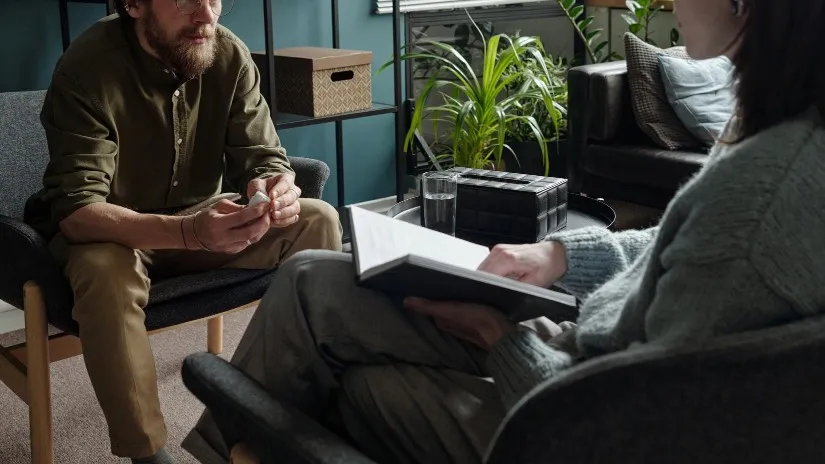
Marijuana is sometimes perceived as a substance that cannot lead to meaningful dependence. In reality, some people develop problematic patterns of use that affect motivation, concentration, relationships, responsibilities, emotional wellbeing, or their ability to reduce consumption. Marijuana Addiction Treatment may be appropriate when use continues despite these negative consequences.
The question is not simply how frequently someone uses marijuana. The more useful question is what role the substance has begun to play in everyday life.
Signs That Use Deserves Attention
A person may benefit from professional assessment when they repeatedly intend to reduce marijuana but cannot maintain the change.
Other warning signs can include:
- Spending substantial time obtaining or using marijuana
- Strong urges to use
- Needing increasing amounts
- Reduced interest in previous activities
- Problems with study or work
- Conflict with family members
- Continuing despite psychological difficulties
- Using marijuana as the main way of coping with stress
- Difficulty sleeping without it
- Returning quickly to regular use after attempts to stop
These patterns can vary widely between individuals.
Habitual Use Can Become Connected With Daily Activities
One challenge in marijuana recovery is the number of routines that may become associated with use.
Someone might use before sleeping, while socialising, after work, while gaming, or whenever they feel anxious. These repeated associations can make ordinary activities trigger cravings after use stops.
Marijuana Addiction Treatment can help identify these connections and develop alternative routines.
For example, someone accustomed to using marijuana to fall asleep may need healthier sleep strategies. A person using it whenever stressed may need psychological tools for managing anxiety and emotional discomfort.
Is Residential Rehabilitation Always Necessary
Not necessarily.
The appropriate level of care depends on severity, mental health concerns, other substance use, home circumstances, previous attempts to stop, and the individual's ability to maintain change in their existing environment.
For some people, outpatient counselling may be appropriate. Others may benefit from a structured residential setting, particularly when their home or social environment contains frequent triggers.
Families exploring options in Pune, Maharashtra, should look for programmes that assess these factors rather than automatically recommending the same treatment duration for everyone.
Mental Health Assessment Can Be Important
Marijuana use can occur alongside anxiety, low mood, sleep difficulties, or other psychological concerns.
Determining how these issues interact requires careful assessment.
Treating substance use while ignoring significant mental health symptoms may leave important recovery needs unaddressed. Likewise, assuming every emotional difficulty is caused entirely by marijuana can oversimplify the situation.
What a Structured Programme Should Address
A comprehensive programme may include individual counselling, behavioural interventions, group sessions, mindfulness practices, healthy routines, family education, and relapse-prevention planning.
At Crossroad Wellness Rehab, individuals considering structured rehabilitation can discuss their substance-use patterns and broader wellbeing to understand what level of support may be appropriate.
A useful programme should also prepare people for the situations they will face after treatment.
That means practising responses to friends who still use marijuana, dealing with boredom without returning to old habits, managing sleep naturally, handling stressful periods, and recognising early signs that old patterns are returning.
Seeking Marijuana Addiction Treatment does not require waiting until every part of life has deteriorated. When marijuana use repeatedly interferes with responsibilities, emotional health, relationships, or personal attempts to change, professional assessment can clarify the problem and identify suitable next steps.
Keywords