When people hear the term Wellness Rehabilitation Center, they often associate it only with addiction treatment. In reality, a wellness-focused rehabilitation centre takes a much broader approach. It aims to improve physical, emotional, psychological, and social well-being while helping individuals recover from substance dependence, mental health challenges, or unhealthy lifestyle patterns.
In a growing city like Pune, where professional demands, academic pressure, and changing lifestyles can contribute to stress and addiction, many individuals and families are seeking rehabilitation services that focus on complete recovery rather than temporary solutions. Understanding how a wellness rehabilitation centre works can help people make informed decisions at the right time.
What Makes a Wellness Rehabilitation Center Different?
Traditional rehabilitation programs often focus primarily on overcoming addiction. A wellness rehabilitation centre expands that approach by addressing the underlying causes that contribute to dependency while also helping individuals rebuild healthier habits.
Instead of concentrating only on stopping substance use, wellness-based rehabilitation encourages long-term personal growth through structured treatment, counselling, healthy routines, and emotional healing.
This approach often includes:
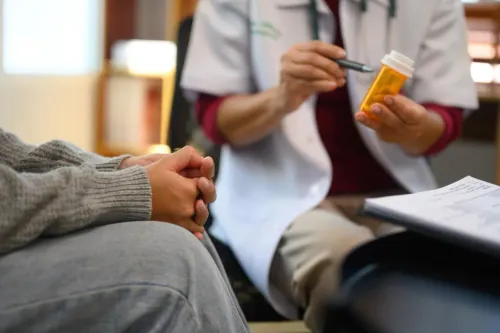
- Medical assessment and supervised care
- Individual counselling sessions
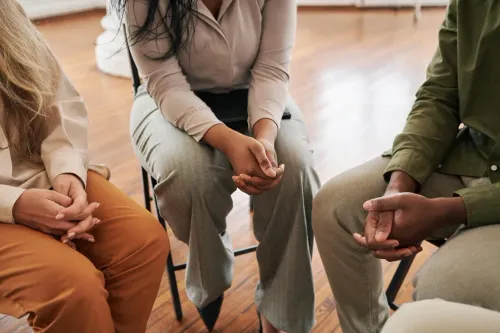
- Group therapy
- Lifestyle modification
- Stress management techniques
- Nutritional guidance
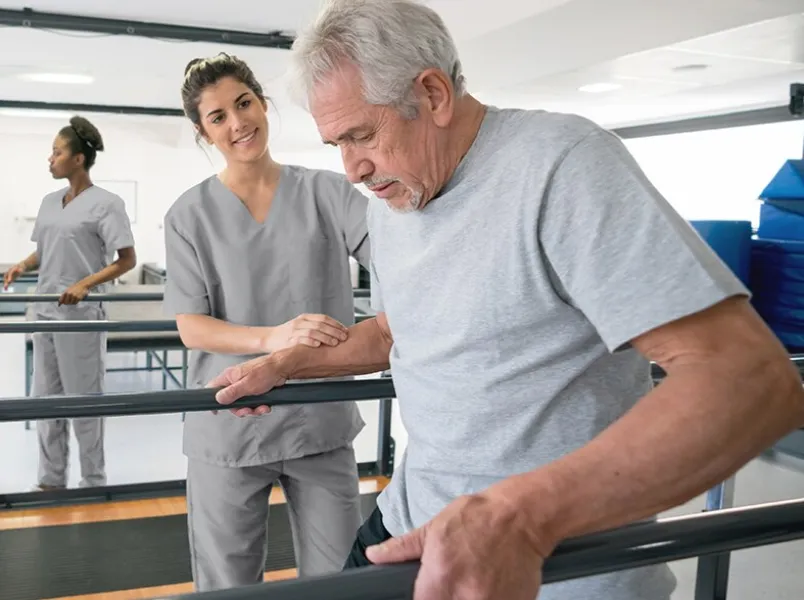
- Physical fitness activities
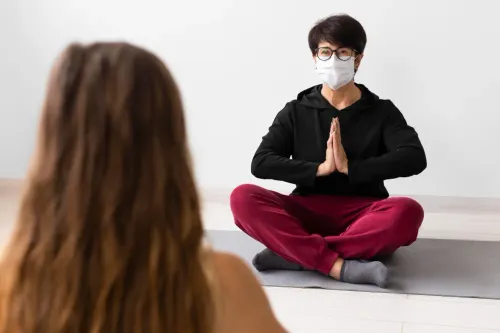
- Mindfulness and relaxation practices
- Family support and education
By combining these elements, recovery becomes more sustainable rather than short-lived.
Why Holistic Recovery Matters
Addiction rarely develops without underlying emotional or psychological factors. Stress, anxiety, depression, trauma, relationship conflicts, workplace pressure, or unresolved personal issues may all contribute to substance dependence.
A wellness-focused rehabilitation centre works to identify these root causes instead of treating only the visible symptoms.
This comprehensive approach helps individuals:
- Develop healthier coping mechanisms
- Improve emotional resilience
- Build self-confidence
- Restore daily routines
- Improve relationships
- Reduce the likelihood of relapse
Long-term recovery often depends on addressing the whole person rather than focusing solely on addiction.
Signs That Professional Rehabilitation May Be Needed
Many families delay seeking professional help because they believe the individual will recover independently. While motivation is important, addiction frequently requires structured intervention.
Some common signs include:
- Increasing dependence on alcohol or drugs
- Difficulty controlling substance use
- Neglecting work, studies, or family responsibilities
- Withdrawal from social activities
- Frequent mood changes
- Sleep disturbances
- Financial or legal issues related to substance use
- Failed attempts to quit without support
Recognizing these warning signs early can lead to better recovery outcomes.
How Rehabilitation Supports Mental and Physical Well-Being
Recovery involves much more than abstaining from addictive substances. Individuals often need support in rebuilding their physical health and emotional stability simultaneously.
A wellness rehabilitation program may include:
Physical Recovery
Substance dependency can affect nutrition, sleep quality, energy levels, and overall health. Rehabilitation encourages balanced meals, regular exercise, and healthy routines that gradually restore physical wellness.
Emotional Recovery
Professional counselling provides a safe environment to discuss personal struggles, manage emotions, and develop healthier responses to stress.
Social Recovery
Many people recovering from addiction need to rebuild trust with family members and reconnect with supportive communities. Group sessions and family involvement often play an important role in this process.
The Importance of a Structured Daily Routine
One of the biggest challenges after addiction is returning to a stable lifestyle.
A rehabilitation centre introduces structured schedules that balance therapy, recreation, meals, exercise, and rest. Over time, these routines help individuals regain discipline and confidence while reducing idle time that may contribute to relapse.
Simple daily habits such as waking up consistently, participating in wellness activities, attending counselling sessions, and maintaining healthy sleep patterns create a strong foundation for recovery.
Why Local Rehabilitation Matters in Pune
Choosing rehabilitation services within Pune offers practical advantages for many families across Maharashtra.
Local care allows families to participate more actively in counselling sessions and recovery planning. Regular communication between therapists and family members can strengthen emotional support throughout the rehabilitation journey.
Being closer to home also makes follow-up appointments, aftercare programs, and ongoing counselling more accessible once residential treatment has been completed.
Choosing the Right Wellness Rehabilitation Center
Not every rehabilitation centre follows the same philosophy or treatment model. Before selecting a provider, families should consider several factors:
- Qualified mental health professionals
- Individualized treatment plans
- Medical supervision where required
- Evidence-based therapies
- Family participation
- Safe and supportive environment
- Aftercare and relapse prevention programs
- Confidentiality and ethical care standards
These factors contribute significantly to successful long-term recovery rather than temporary improvement.
Recovery Is a Journey, Not a Single Event
Healing from addiction or emotional challenges rarely happens overnight. Recovery is a gradual process that requires professional guidance, consistent effort, and ongoing support.
For individuals and families exploring treatment options in Pune, understanding how a wellness rehabilitation centre operates is an important first step. Organizations such as Crossroad Wellness Rehab emphasize a holistic approach that combines professional care with emotional support, helping individuals work toward healthier, more balanced lives. With the right environment, structured guidance, and continued commitment, recovery can become a realistic and lasting achievement for people across Pune and the wider Maharashtra region.
Keywords