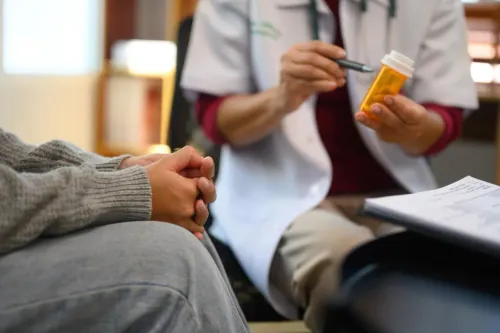

Beginning recovery from alcohol or drug addiction is a courageous decision, but the first few days can also be the most physically and emotionally challenging. Many people underestimate the effects of withdrawal, believing they can stop using substances without professional assistance. Depending on the type of addiction and the duration of substance use, withdrawal symptoms can range from mild discomfort to serious medical complications. This is why Medical Detox & Withdrawal Support plays such an important role in successful rehabilitation.
For individuals seeking professional addiction care in Pune, Crossroad Wellness Rehab offers medically supervised detoxification as part of a comprehensive recovery program. Safe detox not only helps individuals manage withdrawal symptoms but also prepares them for the therapeutic stages of rehabilitation that follow.
Why Medical Detox & Withdrawal Support in Pune Is Important
When a person suddenly stops using alcohol or drugs after prolonged dependence, the body needs time to adjust. During this transition, withdrawal symptoms can develop because the brain and body have become accustomed to the presence of the addictive substance.
Attempting detox without professional supervision may increase health risks, especially in cases involving alcohol, opioids, or certain prescription medications.
Medical detox provides a controlled environment where trained professionals can monitor progress, manage symptoms, and respond quickly if complications arise.
What Happens During Withdrawal?
Withdrawal affects each individual differently. The severity depends on factors such as the substance involved, duration of use, overall health, and medical history.
Some commonly experienced withdrawal symptoms include:
- Anxiety and restlessness
- Excessive sweating
- Nausea or vomiting
- Headaches
- Muscle pain
- Tremors
- Difficulty sleeping
- Mood swings
- Increased heart rate
- Intense cravings
In certain situations, withdrawal can become medically serious, making professional supervision essential.
What to Expect During a Medical Detox Program
Many people feel anxious about entering detox because they are unsure what the process involves. Understanding each stage can reduce uncertainty and help individuals prepare for recovery.
Initial Medical Assessment
Before detox begins, healthcare professionals conduct a thorough evaluation that includes physical health, substance use history, mental health status, and any existing medical conditions. This information helps create an individualized detox plan.
Supervised Withdrawal Management
Throughout detox, trained medical professionals monitor vital signs and overall well-being while providing appropriate care to reduce discomfort and manage withdrawal symptoms safely.
Emotional and Psychological Support
Withdrawal is not only physical. Many individuals experience anxiety, fear, irritability, or emotional distress during this period. Counselling and emotional support help patients remain motivated throughout the detox process.
Preparing for Rehabilitation
Detox alone is not addiction treatment. Once the body has stabilized, individuals are encouraged to continue with counselling, behavioral therapy, and long-term rehabilitation to address the underlying causes of addiction.
Common Misconceptions About Detox
Several myths prevent people from seeking professional care.
Myth: Detox alone cures addiction.
Fact: Detox removes addictive substances from the body, but long-term recovery requires therapy, behavioral change, and ongoing support.
Myth: Withdrawal is always manageable at home.
Fact: Some withdrawal symptoms can become medically dangerous without professional supervision.
Myth: Detox is only necessary for severe addiction.
Fact: The need for medical detox depends on the substance used, physical dependence, and individual health—not just the duration of addiction.
Understanding these facts helps individuals make safer decisions when beginning recovery.
Benefits of Professional Medical Detox
Receiving supervised detoxification offers several important advantages:
- Continuous medical observation
- Safer management of withdrawal symptoms
- Reduced risk of complications
- Emotional support during difficult stages
- Improved comfort throughout detox
- Easier transition into rehabilitation
- Better preparation for long-term recovery
These benefits allow individuals to focus on healing without facing unnecessary medical risks.
Life After Detox: The Recovery Journey Continues
Completing detox is an important milestone, but it is only the beginning of recovery. Sustainable healing comes from addressing the emotional, psychological, and behavioral aspects of addiction.
After detox, individuals typically continue with:
- Individual counselling
- Group therapy
- Relapse prevention education
- Family counselling
- Wellness activities
- Healthy lifestyle planning
- Ongoing aftercare support
This comprehensive approach helps build the confidence and skills needed for long-term sobriety.
Choosing a Rehabilitation Centre for Detox Services
When selecting a rehabilitation provider, families should consider whether the centre offers:
- Qualified medical professionals
- Individualized detox plans
- Safe and hygienic facilities
- Integrated rehabilitation services
- Mental health support
- Family involvement
- Confidential treatment
- Comprehensive aftercare planning
A rehabilitation centre that combines detox with long-term therapeutic care often provides a stronger foundation for lasting recovery.
Beginning recovery can feel overwhelming, but no one has to face withdrawal alone. Professional medical detox offers a safer, more comfortable way to take the first step toward a healthier future.
If you or a loved one is looking for Medical Detox & Withdrawal Support in Pune, Crossroad Wellness Rehab provides medically supervised detoxification along with personalized rehabilitation programs designed to support lasting recovery. Speaking with an experienced care team can help you understand the treatment process, answer your questions, and guide you toward the most appropriate recovery plan. Taking that first step today could be the beginning of a healthier, substance-free life.
Keywords