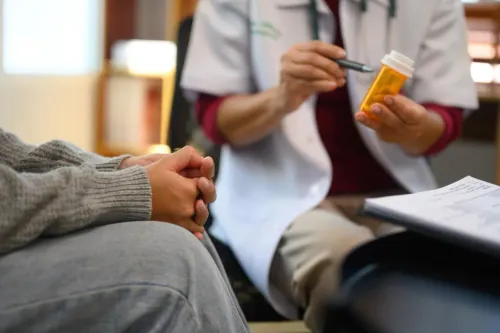
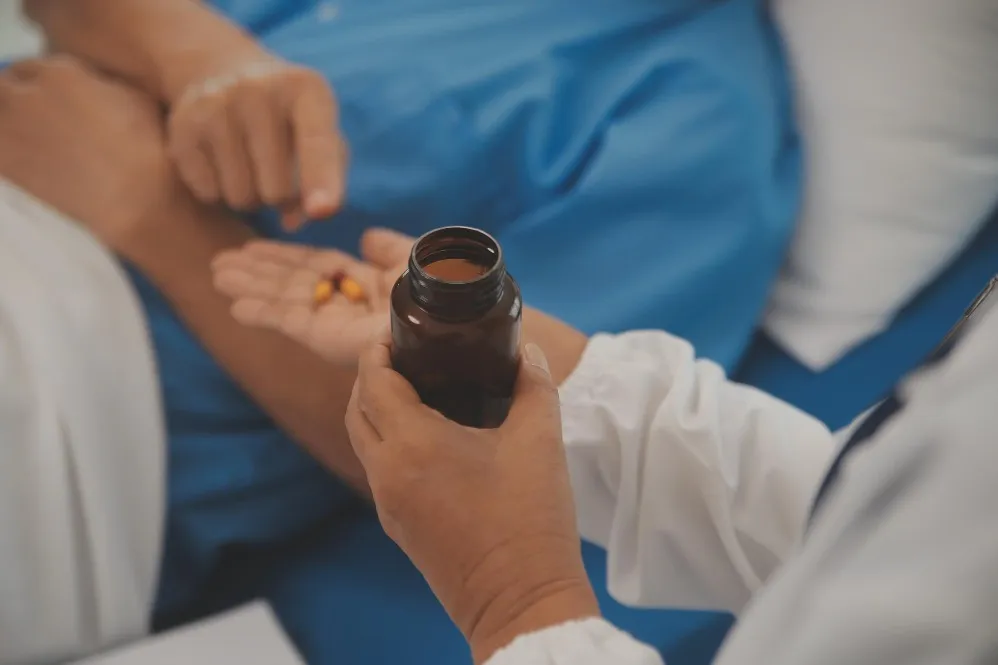
Opioid dependence can affect physical health, emotional wellbeing, relationships, work, and everyday decision-making. When a person attempts to stop after regular use, withdrawal symptoms and powerful cravings can make the process difficult. Opioid Addiction Treatment provides a structured approach to managing these challenges through appropriate medical and psychological care.
Opioids include prescription pain medicines as well as illicit substances. Regardless of how opioid use began, dependence deserves professional assessment without judgement.
Why Opioid Dependence Develops
Opioids interact with receptors involved in pain, reward, and other bodily functions. With repeated exposure, tolerance and physical dependence may develop.
A person may then need increasing amounts to experience the same effects or may continue using primarily to avoid withdrawal.
Possible withdrawal symptoms include restlessness, sweating, sleep problems, gastrointestinal symptoms, muscle aches, anxiety, and intense cravings.
Although opioid withdrawal itself is often described differently from withdrawal from alcohol or certain sedatives, individual medical risks vary. Professional assessment is important, particularly when other substances, medications, or health conditions are involved.
Treatment Begins With Understanding the Pattern
Good Opioid Addiction Treatment should not assume that every person reached dependence in the same way.
Some individuals initially received opioids for pain. Others began using recreationally. Some may use multiple substances simultaneously.
An assessment can explore:
- Which opioids are being used
- Frequency and quantity of use
- Duration of the pattern
- Previous withdrawal experiences
- Other substance use
- Physical health
- Mental health
- Current medications
- Previous treatment attempts
These details influence treatment planning.
Medical Care May Be Necessary
Depending on individual circumstances, clinicians may recommend medically managed withdrawal and other evidence-based interventions.
Medication decisions should be made by appropriately qualified healthcare professionals. People should avoid borrowing medicines, adjusting prescriptions independently, or attempting potentially risky detox methods based on informal online advice.
Psychological Recovery Matters Too
Physical dependence is only one part of opioid addiction.
People may use opioids in response to pain, trauma, anxiety, stress, relationship difficulties, or learned routines. Unless these factors are addressed, simply completing withdrawal management may leave important relapse triggers unresolved.
Therapy can help individuals identify those patterns and develop alternative coping strategies.
Building a Sustainable Routine
For people seeking rehabilitation in Pune, Maharashtra, structured treatment can provide temporary distance from environments closely associated with opioid use.
A recovery routine may include counselling, therapeutic activities, sleep management, nutrition, mindfulness practices, family education, and relapse-prevention planning.
Crossroad Wellness Rehab can be considered by individuals or families exploring structured addiction rehabilitation where physical, psychological, and behavioural needs are assessed together.
Planning for Life After Rehabilitation
Recovery planning should begin before structured treatment ends.
The transition back into everyday life may involve exposure to old triggers, stress, pain, social pressure, or people connected with previous substance use.
A practical plan can identify what the person will do when cravings appear, who they will contact for support, which environments should initially be avoided, and how ongoing treatment will continue when recommended.
Families may also need guidance on supportive boundaries. Constant surveillance is rarely a sustainable recovery strategy, while ignoring warning signs can also be problematic.
Opioid Addiction Treatment is therefore not simply a process of getting through withdrawal. It is a broader effort to stabilize health, understand the drivers of substance use, strengthen coping skills, and establish support that can continue after formal rehabilitation.
Keywords