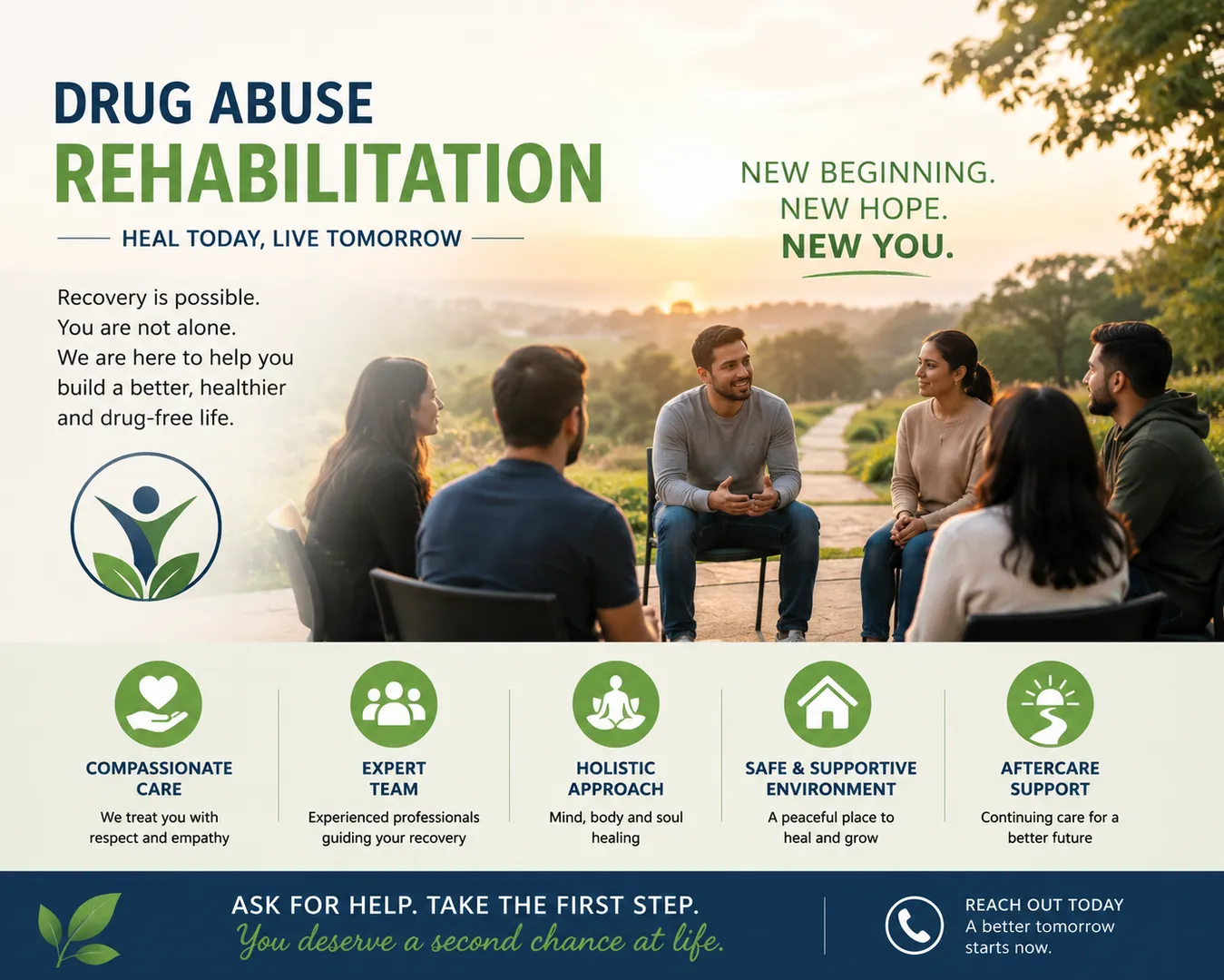
Drug addiction affects much more than physical health. It can disrupt relationships, careers, education, finances, and emotional well-being. While many people believe overcoming addiction is simply a matter of willpower, long-term recovery usually requires professional guidance, structured treatment, and continuous support. This is why Drug Abuse Rehabilitation has become an essential part of addiction recovery for many individuals across Pune and Maharashtra.
Crossroad Wellness Rehab works with individuals and families seeking evidence-based rehabilitation in Pune by offering personalized recovery programs that address both substance dependence and the underlying emotional or psychological factors contributing to addiction. The goal is not only to stop drug use but also to help people rebuild healthier and more fulfilling lives.
Why Drug Abuse Rehabilitation in Pune Is More Than Just Quitting Drugs
One of the biggest misunderstandings about addiction is that recovery ends once substance use stops. In reality, addiction changes behaviors, thought patterns, routines, and emotional responses. Without addressing these areas, the chances of relapse remain significantly higher.
Professional rehabilitation focuses on helping individuals:
- Understand the causes of addiction
- Develop healthier coping mechanisms
- Improve emotional resilience
- Restore physical health
- Build positive daily routines
- Reconnect with family and society
- Prepare for long-term recovery
By treating addiction as a comprehensive health issue, rehabilitation provides a stronger foundation for lasting change.
What Causes Drug Dependence?
There is rarely a single reason why someone develops drug dependency. Multiple factors often interact over time.
Some common contributing factors include:
- Chronic stress
- Anxiety or depression
- Childhood trauma
- Peer influence
- Easy access to substances
- Family conflicts
- Workplace pressure
- Untreated mental health conditions
Understanding these contributing factors helps rehabilitation professionals design treatment plans that address the root causes rather than only the symptoms.
Signs That Drug Rehabilitation May Be Necessary
Families are often the first to notice behavioral changes, even before the individual recognizes the severity of the problem.
Professional rehabilitation should be considered when someone experiences:
- Frequent drug use despite negative consequences
- Sudden personality or mood changes
- Declining academic or work performance
- Social isolation
- Financial difficulties related to substance use
- Loss of interest in hobbies and responsibilities
- Risk-taking behavior
- Failed attempts to quit independently
Seeking professional help during the early stages often leads to better recovery outcomes.
How Rehabilitation Supports Recovery in Pune
Every rehabilitation journey begins with understanding the individual's physical, emotional, and psychological needs. Treatment is then tailored accordingly.
A comprehensive rehabilitation program may include:
Medical Assessment
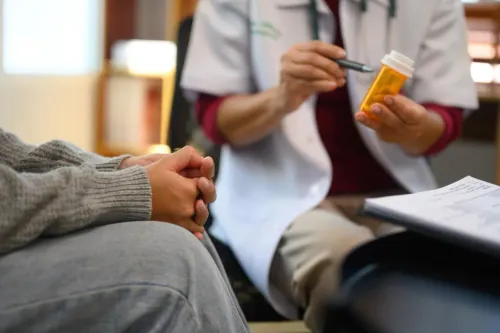
Healthcare professionals evaluate overall health, addiction severity, and any co-existing medical or mental health conditions before treatment begins.
Supervised Detoxification
For individuals with physical dependence, detox is carefully monitored to manage withdrawal symptoms safely and comfortably.
Individual Counselling
Private counselling sessions help individuals identify emotional triggers, develop healthier coping strategies, and work toward personal recovery goals.
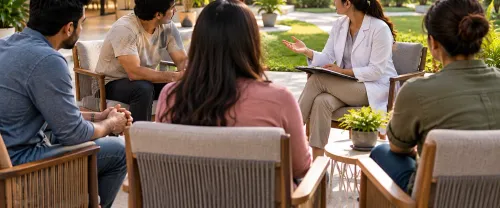
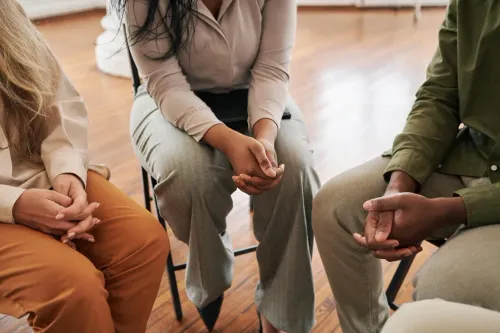
Group Therapy
Sharing experiences with others facing similar challenges helps reduce feelings of isolation while encouraging mutual support and accountability.
Family Counselling
Addiction affects entire families. Therapy sessions improve communication, rebuild trust, and educate loved ones about supporting recovery.
Why Personalized Recovery Plans Matter
No two individuals have identical recovery needs. Age, lifestyle, medical history, addiction severity, family dynamics, and mental health all influence treatment decisions.
A personalized rehabilitation plan allows professionals to:
- Set realistic recovery goals
- Adjust therapies as progress is made
- Address emotional and behavioral challenges
- Support long-term relapse prevention
This individualized approach improves engagement throughout the recovery process.
Mistakes Families Should Avoid During Recovery
Families play a vital role in rehabilitation, but certain actions can unintentionally slow progress.
Some common mistakes include:
- Expecting immediate results
- Blaming or criticizing the individual
- Ignoring professional advice
- Assuming treatment ends after detox
- Avoiding family counselling
- Neglecting aftercare support
Recovery is a gradual process that requires patience, encouragement, and consistent professional guidance.
What Happens After Rehabilitation?
Completing rehabilitation is a significant achievement, but maintaining recovery requires continued effort.
Most successful aftercare plans include:
- Scheduled counselling sessions
- Support group participation
- Healthy lifestyle routines
- Stress management techniques
- Regular medical follow-ups
- Family involvement
- Relapse prevention planning
These ongoing services help individuals maintain stability as they transition back into everyday life.
A Strong Recovery Begins with the Right Support
Drug addiction can feel overwhelming, but recovery is possible when individuals receive compassionate care and structured treatment. The right rehabilitation program provides more than temporary recovery—it equips people with the skills and confidence needed to lead healthier, more independent lives.
If you or someone close to you is searching for Drug Abuse Rehabilitation in Pune, Crossroad Wellness Rehab offers individualized treatment programs designed to support recovery with dignity, confidentiality, and professional expertise. Speaking with an experienced rehabilitation team can help you understand the available treatment options and take the first informed step toward lasting recovery for yourself or your loved one.
Keywords