
Addiction, anxiety and recurring emotional distress rarely come from one isolated symptom. By the end, you will know what holistic counselling examines, what happens during assessment and sessions, how lifestyle changes support clinical care, and which questions to ask when comparing treatment options.
Key takeaways
- Assess sleep, substance use, relationships, stress and physical health—not symptoms alone.
- Use the first assessment to identify risks, priorities and the right level of care.
- Turn lifestyle goals into small actions with clear timing, tracking and follow-up.
- Coordinate counselling with medical treatment instead of using it as a replacement.
What Holistic Counselling Looks At Beyond the Immediate Symptom
Holistic counselling connects a presenting symptom to the conditions that maintain it instead of treating each symptom in isolation. A useful holistic counselling definition is an approach that considers emotional, behavioural, social, physical and lifestyle influences together, then turns those findings into a practical care plan.
- Emotional factors: anxiety, grief, shame, anger, trauma and difficulty managing stress.
- Behavioural factors: substance use, avoidance, impulsive choices, coping habits and relapse patterns.
- Social factors: family conflict, relationships, isolation, housing, work pressure and available support.
- Physical factors: withdrawal symptoms, pain, sleep disruption, nutrition, medical conditions and energy levels.
- Lifestyle factors: sleep timing, physical activity, daily structure, meaningful responsibilities and exposure to substance-related cues.
These areas affect one another. Poor sleep can increase irritability; irritability can trigger conflict; conflict can increase isolation; isolation can leave substance use as the easiest coping strategy. Counselling then targets the chain, such as setting regular meals and sleep, arranging sober social contact, planning for high-risk situations and rebuilding a purposeful daily role.
For addiction recovery, this wider view supports relapse prevention but does not replace clinical treatment. Medical detox manages acute withdrawal, not the emotional, social and behavioural processes that sustain addiction. Medication, including methadone or buprenorphine for opioid use disorder, may remain essential, while counselling and lifestyle changes provide complementary support.
How the First Assessment Determines the Right Kind of Care
The first appointment is a triage, not a verdict. A holistic counselling assessment maps substance use, emotional health, physical symptoms and daily conditions before deciding whether counselling, medical treatment or both are appropriate.
The counsellor will ask about:
- What substances you use, how much, how often, when you last used them, and what happens when you stop
- Anxiety, depression, trauma symptoms, suicidal thoughts, self-harm, hallucinations or severe agitation
- Current medicines, medical conditions, previous treatment, overdoses and withdrawal history
- Sleep timing, energy, physical activity and a nutrition assessment covering meals, appetite and weight changes
- Work, housing, finances, relationships, family support, isolation and the structure of a typical day
- What you want to change and what feels difficult about starting; motivational interviewing can explore ambivalence without shame or confrontation
Risk screening changes the plan immediately. Suicidal intent, psychosis, an unsafe home, overdose risk, or dangerous alcohol, opioid or benzodiazepine withdrawal calls for urgent medical assessment rather than counselling alone.
Medical care also matters when withdrawal needs supervision, a medication review is required, or a physical illness affects recovery. For opioid use disorder, methadone, buprenorphine or naltrexone may be indicated alongside counselling; lifestyle work cannot replace these treatments.
If risks are stable, counselling can address coping, behaviour, relationships and routines. Many people need both: medical treatment to stabilise the body and counselling to change the emotional and social patterns that keep the problem going. The plan should be reviewed as symptoms, safety and participation change.
What Happens in a Session—and How Lifestyle Plans Become Practical
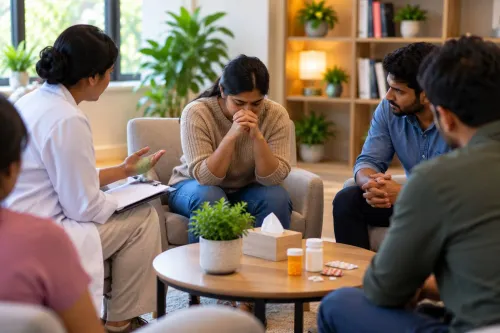
A typical holistic counselling session starts with a check-in on mood, cravings, sleep, physical symptoms, safety and progress since the last meeting. The counsellor then uses talk therapy to explore thoughts, emotions, relationships and triggers, without pressuring you to disclose traumatic experiences in detail. Safety, choice and collaboration matter.
A session may include:
- Reviewing one recent situation, such as an argument, craving or missed appointment.
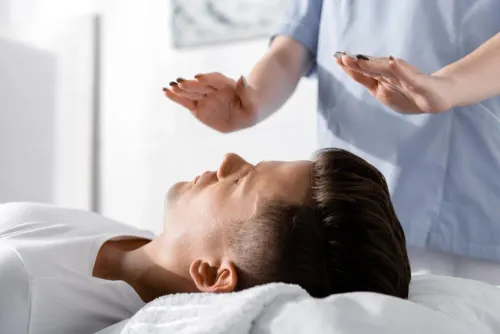
- Practising a breathing exercise, brief meditation or mindfulness technique to notice distress before reacting.
- Using yoga or gentle movement when it supports body awareness, stress regulation or physical functioning.
- Checking the sleep-wake schedule, food intake, activity, work demands and social contact.
- Choosing one measurable action, such as a fixed wake time, meal planning and exercise, or calling a sober support person.
- Recording the action and reviewing its result at the next session.
The plan must fit your actual day. A counsellor might replace “exercise more” with a 15-minute walk after lunch three days a week, or connect late-night substance use with a screen-free bedtime routine and a planned support call.
These practices supplement clinical care; they do not detoxify the body or cure addiction. A clinician must manage withdrawal, psychiatric symptoms and medication. For opioid use disorder, counselling and lifestyle work should not replace methadone, buprenorphine or naltrexone when prescribed. Recovery planning also includes relapse-risk discussion, overdose education and naloxone access.
How Holistic Counselling Differs from Therapy, Coaching and Wellness Classes
The key difference is clinical purpose. Holistic counselling is not a standardized treatment category; it combines counselling with attention to sleep, nutrition, substance use, relationships, work, physical health and daily structure. Compare the practitioner’s training and scope, not the word “holistic” alone.
| Approach | Main goal | Training and clinical scope |
|---|---|---|
| Holistic counselling | Connect emotional, behavioural, social, physical and lifestyle factors to recovery goals | Training varies. A qualified counsellor may use motivational interviewing, trauma-informed counselling and referral to medical care, but the label alone does not authorize diagnosis, prescribing or detoxification. |
| Psychotherapy | Assess and treat mental-health conditions through a therapeutic relationship | Delivered by a regulated or appropriately trained mental-health professional, according to local rules. Holistic counselling vs psychotherapy depends on the provider’s credentials and treatment plan. |
| CBT | Change unhelpful thoughts and behaviours using structured exercises, monitoring and skills practice | CBT in practice is a specific psychotherapy method delivered by a clinician trained in CBT; it is not simply positive thinking or general advice. |
| Coaching | Support goals, accountability, performance or habits | Coaches are not mental-health clinicians unless separately qualified. Coaching is unsuitable as the sole response to withdrawal, suicidality or severe psychiatric symptoms. |
| Yoga or meditation classes | Practise movement, breathing, attention or relaxation | Instructors teach a complementary activity, not clinical treatment. These practices can support regulation but cannot replace addiction treatment or medication. |
| General wellness programmes | Improve broad health habits through education and activities | They usually lack individualized assessment, risk screening and psychotherapy. They should supplement, not replace, evidence-based care. |
How to Match Counselling with Medical Treatment and Ongoing Recovery Support
Choose the setting by risk, not preference. A person with dangerous withdrawal, overdose risk, suicidal thoughts, psychosis, unstable housing, or serious medical illness needs medical oversight; outpatient counselling alone is unsafe. Co-occurring depression, anxiety, trauma, or psychosis belongs in integrated addiction treatment, not a separate queue.
1. Match the level of care to current needs: medical detox and counselling for withdrawal and emotional support, residential care when safety or structure is poor, or outpatient treatment when the person is medically stable and has reliable support.
2. Record a medication plan. For opioid use disorder, ask whether methadone, buprenorphine, or naltrexone is suitable; opioid use disorder medication must not be replaced by meditation, coaching, or abstinence advice. Review interactions, adherence, side effects, and who will prescribe the next dose.
3. Involve relatives only with family counselling consent. Agree on confidentiality, boundaries, warning signs, and responses to a lapse; exclude or modify family participation when violence, coercion, or serious privacy risks exist.
4. Before discharge, write the next appointment, medication supply, crisis numbers, housing or work support, peer options, naloxone access, overdose education, and the action to take after a lapse. Lost tolerance after detox makes a return to a former opioid dose potentially fatal.
At Crossroad Wellness Rehab, ask how counselling sessions connect to prescribing, risk reviews, discharge planning, and follow-up rather than running as a separate wellness service. A lapse calls for reassessment and intensified support, not a verdict that recovery has failed.
Related products
 | Holistic Wellness and Healing > Mindfulness, Yoga & Meditation Therapy in Undri This wellness program combines guided meditation, breathing techniques, and therapeutic yoga to... View product → |
 | Psychotherapy and Group Therapy Psychotherapy and Group Therapy > Individual Psychotherapy (One-on-One Counselling in Undri, Pune) Our private counselling sessions help individuals address emotional struggles,... View product → |
Frequently asked questions
What does holistic counselling look at beyond the immediate symptom?
It considers emotional, behavioural, social, physical and lifestyle influences, including stress, sleep, substance use, relationships and daily routines.
What happens during a holistic counselling session?
You discuss the factors maintaining the problem, choose practical priorities and turn them into manageable lifestyle actions with follow-up.
How is holistic counselling different from therapy, coaching and wellness classes?
Holistic counselling connects emotional concerns with lifestyle and social factors, while therapy focuses on psychological treatment, coaching on goals and accountability, and wellness classes on general skills or activities.
How should holistic counselling be matched with medical treatment?
Use counselling alongside medical assessment and treatment when physical symptoms, medication, withdrawal risk or mental health concerns require clinical care.
Related products
 | Family Counseling and CBT > Family & Relationship Counseling (Undri, Pune) Family counselling helps repair communication, rebuild trust, and create healthier emotional bonds. View product → |
 | Addiction Counselling & Recovery Support Addiction Counselling & Recovery Support At Crossroad Wellness Rehabilitation in Undri, Pune, our Addiction Counselling Program is designed to help individuals break free from dependency on... View product → |