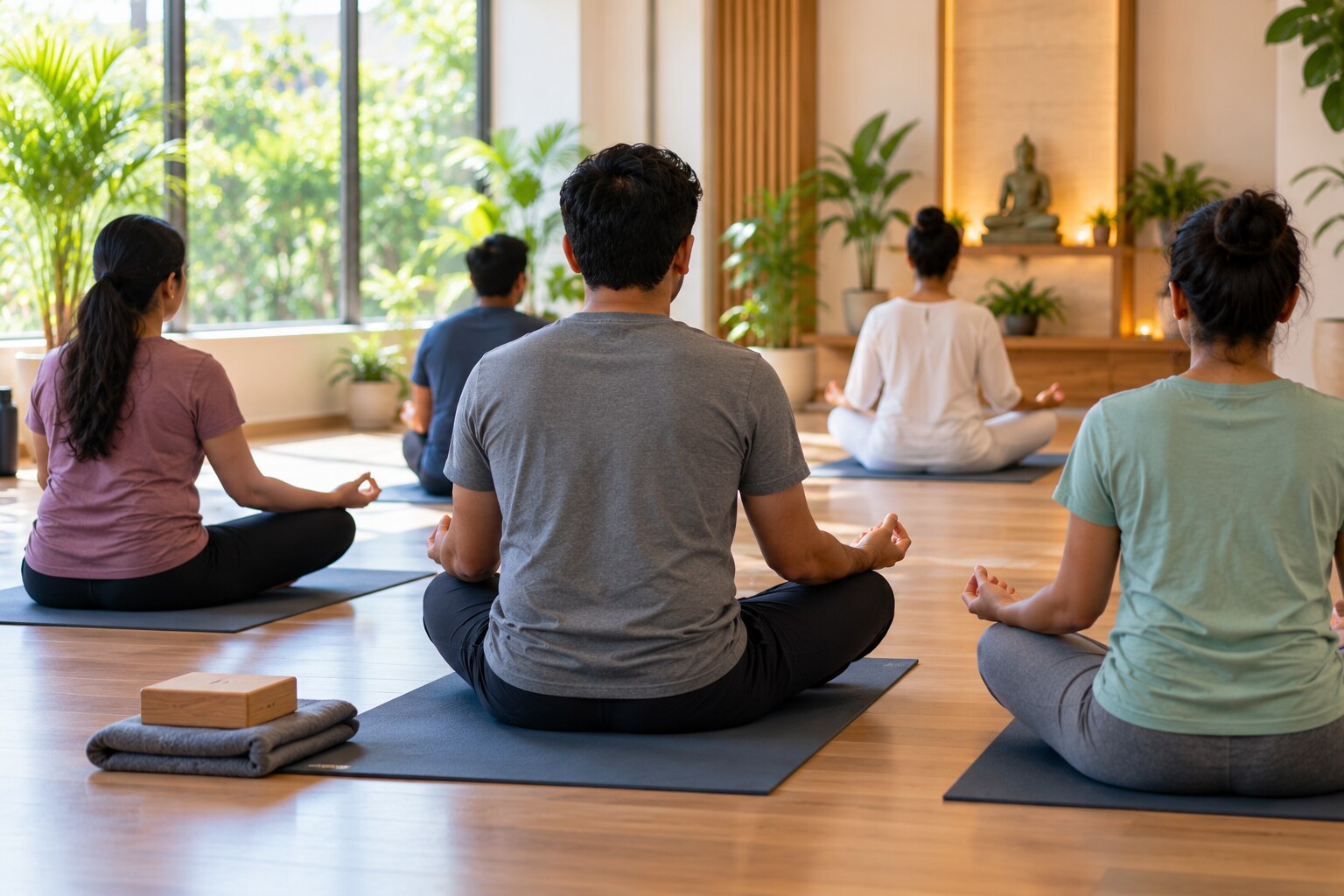
Stress, cravings, poor sleep and emotional triggers can make recovery harder, but a yoga or meditation practice needs to be matched to your health, withdrawal risk and current symptoms. By the end, you will know what a safe session looks like, how to begin at home, which adaptations to consider and when professional care must come first.
Key takeaways
- Begin with a check-in, gentle movement, comfortable breathing, and a gradual cooldown.
- Start at home with five minutes of breathing or slow, supported movement.
- Match practices to your energy, pain, anxiety, and recovery needs.
- Use clinical guidance when symptoms, trauma, withdrawal, or cravings feel difficult to manage.
What happens during a yoga or meditation recovery session?
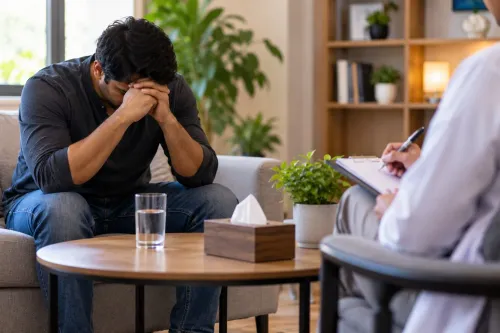
A typical session starts with a physical and emotional check-in: you describe pain, fatigue, anxiety, panic, or your current energy. The instructor then leads gentle movement, comfortable breathing, a short meditation, and a gradual cooldown.
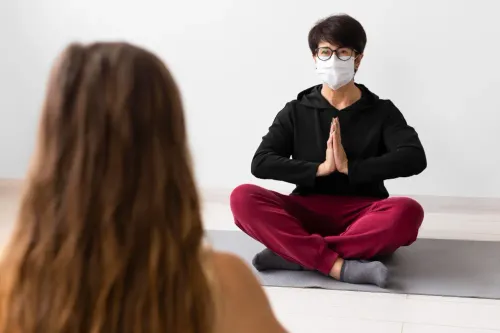
A guided yoga session or meditation for recovery usually lasts 30 to 60 minutes and occurs two to five times per week. A recovery wellness program may begin with five to ten minutes and add time only when you remain oriented, emotionally regulated, and physically safe.
| Format | What to expect | Best fit |
|---|---|---|
| Individual | Personal pacing, private adjustments, and more time to discuss reactions | Pain, trauma symptoms, panic, or strong fatigue |
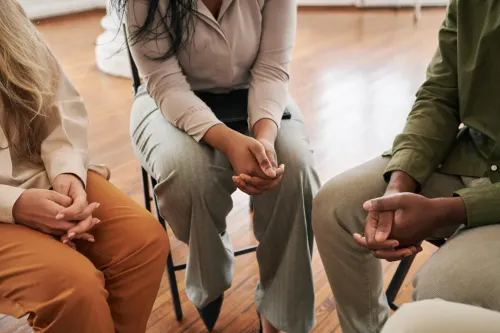
| Small group | Shared instruction, adaptable options, and peer connection | People who feel comfortable practising around others |
Tell the instructor if a position causes pain, panic, dizziness, fatigue, or distracting thoughts. Stop, rest, change posture, or skip the sequence; forcing yourself through it defeats yoga for recovery.
The goal is not perfect stillness. It is noticing tension, emotion, and urges while staying oriented enough to choose your next response instead of reacting automatically.
Signs of a well-run session include:
- Posture alternatives, including seated or supported options
- No competitive language or pressure to keep up
- Clear instructions for stopping or modifying practice
- Time afterward to discuss physical and emotional reactions
How can you start safely at home?
Set aside five to ten minutes for a beginner yoga routine or meditation at home. Use a chair or lie on your side, choosing the position that feels steady and safe.
- Notice five external sights or sounds, such as a window, a wall, traffic or a fan.
- Move slowly through shoulder rolls and gentle ankle movements. Keep the range small and comfortable.
- Practise breathing exercises for stress: breathe in comfortably for four counts and out for six. Do not hold your breath.
- Finish with one minute of eyes-open attention to the room. Name what you see and stay oriented to where you are.
Stop and contact a clinician if you develop:
- Dizziness
- Chest pain
- Worsening panic
- Severe pain
- Disorientation or dissociation
Trauma-sensitive yoga does not require closed eyes, silence or stillness. Keep your eyes open, face the door, use a clock or another object as an anchor, and move instead of scanning your body. End the exercise when internal sensations become overwhelming; you do not need to explain why.
Practise briefly and consistently rather than forcing long sessions. Silence, eyes-closed meditation and breath retention are optional, not requirements. If you feel unsafe practising alone, ask your treatment team for a guided, shorter version.
Which practices fit different recovery situations?
Match the practice to the person, not to a fixed sequence. The right starting point preserves safety, orientation and engagement with treatment.
| Situation | Better starting point | Avoid or watch for |
|---|---|---|
| Early abstinence or post-detox fatigue | Seated movement, restorative poses and brief guided practice | Demanding exertion |
| Anxiety or panic | Yoga for anxiety using slow, comfortable breathing and eyes-open grounding | Rapid breathing and long breath holds |
| Insomnia | Meditation for insomnia through a quiet, body-based routine earlier in the evening | Increasing practice time instead of seeking assessment for persistent sleeplessness |
| Trauma symptoms | Movement, external sensory anchors, shorter intervals and permission to stop | Forced stillness, closed eyes or prolonged inward focus |
| Depression | Short, achievable practices with gentle activation | Treating low motivation as a failure |
| Chronic pain or low mobility | Yoga for chronic pain with a chair, wall support and smaller movement ranges | Pushing into pain |
| Recovery with limited strength or balance | Chair yoga for recovery and supported standing | Unassisted balance poses |
Ask a clinician before practising if you are pregnant, have osteoporosis, glaucoma, recent surgery, balance problems or cardiovascular disease. Review medicines that affect alertness, blood pressure, sweating or fluid balance; they can increase dizziness, falls or fainting risk. Hot yoga adds heat and dehydration risks, especially during acute withdrawal.
Stop if you develop chest pain, severe pain, disorientation, faintness or worsening panic. A treatment team should assess persistent insomnia, severe depression, suicidal thoughts, mania or psychosis instead of simply extending meditation.
How can these practices affect cravings, stress and well-being?
Movement may reduce muscle tension, while slow breathing may lower physical arousal during stress. Attention training helps you notice bodily sensations, thoughts and emotions before a craving becomes an automatic action. These effects support stress management in recovery, but they do not remove cravings or treat addiction.
Urge surfing means observing a craving as it changes: thoughts appear, physical sensations rise and fall, and intensity shifts. Treat the craving as an event to watch, not an instruction to follow.
- Delay the decision for a set period, such as 10 minutes.
- Leave the room, route or conversation linked to the trigger.
- Contact a counsellor, treatment staff member or peer.
- Take prescribed medication when applicable, following the prescriber’s instructions.
Yoga and meditation may support sleep, anxiety, mood and emotional regulation for some people. Feeling calmer is symptom relief, not proof that a substance-use disorder is treated or that relapse prevention is working. Mindfulness and cravings research is promising but varied, with uncertainty about long-term abstinence and whether these interventions outperform established care.
Meditation can also provoke anxiety, trauma memories or depressive distress, particularly during long or unsupervised sessions. Track craving intensity, sleep, mood, pain, therapy participation and adverse reactions. Well-being in addiction recovery should be judged by these patterns and substance-use outcomes, not relaxation alone.
When should yoga and meditation be guided by a clinical team?
The setting matters: alcohol or benzodiazepine withdrawal requires professional assessment because seizures and delirium can be life-threatening. A yoga class or meditation session cannot manage those risks safely.
Before entering residential recovery, disclose recent alcohol, benzodiazepine, opioid or other substance use. Clinicians need this information to assess withdrawal risk and provide monitoring or medication when indicated. Do not practise alone during psychosis, mania, suicidal thoughts, severe panic, fainting or uncontrolled medical illness.
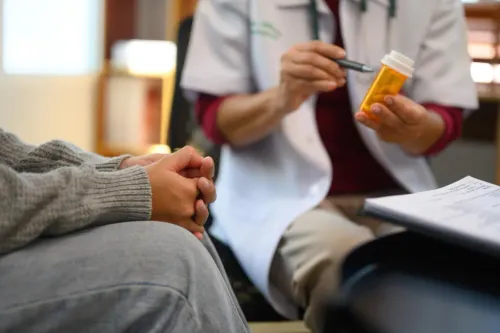
Use clinical treatment and yoga together, not one instead of the other. Yoga and meditation do not replace medically supervised detox, medication for alcohol or opioid use disorder, psychotherapy, psychiatric care or relapse-prevention planning. Trauma-informed recovery care also matters: ask for eyes-open practice, seated options, shorter intervals and permission to stop.
- Who screens for withdrawal and medical risks before I begin?
- Can the instructor offer eyes-open, seated and stop-anytime options?
- How are panic, dissociation, worsening mood or other adverse reactions documented?
- Will you review sleep, cravings, mood and substance-use outcomes at follow-up?
A residential centre such as Crossroad Wellness Rehab can be relevant when practices are delivered within monitored recovery care. That structure supports safe addiction recovery practices while keeping yoga and meditation in their proper role: supportive skills within clinical care, not a substitute for it.
Frequently asked questions
What happens during a yoga or meditation recovery session?
You describe pain, fatigue, anxiety, panic, and energy levels before gentle movement, comfortable breathing, meditation, and a gradual cooldown.
How can you start yoga and meditation safely at home?
Start with five minutes, choose supported positions, breathe comfortably, stop for pain or dizziness, and increase time gradually.
Which practices fit different recovery situations?
Use restorative poses and body scans when fatigued, slow movement for stiffness, and brief breathing or grounding exercises during stress.
How can yoga and meditation affect cravings, stress, and well-being?
They can help you notice body sensations, settle stress responses, and create a pause before acting on a craving.
When should yoga and meditation be guided by a clinical team?
Seek guidance during withdrawal, severe anxiety, panic, trauma reactions, significant pain, medical conditions, or cravings that feel unsafe.